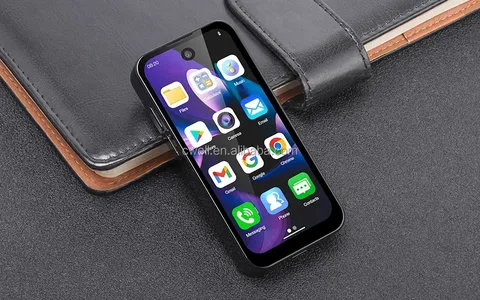
You are standing in line for coffee. The person in front of you steps forward, creating a small gap. Before you even decide to move, your hand has already slid into your pocket. You pull out your phone. You tap the screen. No new messages. No missed calls. You slide it back into your pocket, only to repeat the motion three minutes later.
This sequence happens dozens of times a day. We often assume we check our devices because we are looking for something specific. Perhaps we need to send an email or confirm a meeting time. Yet research suggests a different reality. A staggering 89 per cent of smartphone interactions are initiated by the user rather than prompted by a notification. We are not always answering a digital summons. We are interrupting ourselves.
This behaviour is a micro-habit, a reflex carved into our neural pathways by design features that understand human psychology better than we understand our own devices.
The Power of Micro-Rewards
At the heart of this compulsion lies a misunderstanding of dopamine. We often label it the “pleasure molecule,” but neuroscientists describe it more accurately as the chemical of seeking and anticipation. It drives the hunt rather than the satisfaction of the catch.
Tech designers leverage this biology through variable reward schedules. This is the same psychological principle that powers book of ra or other well-known slots. When you pull down to refresh your email or social media feed, you never know what you will get. Sometimes the result is a boring list of spam. Other times, you find an exciting message or a funny video. This unpredictability is potent. If every refresh delivered something good, the behaviour would actually become boring. The uncertainty keeps the brain engaged, spiking dopamine levels in anticipation of a potential reward.
Features like infinite scrolling remove the natural stopping cues that used to exist in media. Turning a page in a magazine or reaching the end of a chapter offers a moment to pause. An endless feed eliminates that decision point. The brain settles into a rhythm of consumption where the act of scrolling becomes a reward in itself, independent of the content on the screen.
The Illusion of Urgency
Our brains are wired to pay attention to sudden changes in our environment. This “orienting response” helped our ancestors notice snapping twigs or shifting shadows. Today, that same survival mechanism forces us to look when a screen lights up or a phone vibrates. The reaction happens in milliseconds, often faster than conscious thought.
This constant state of readiness can manifest as physical stress. Anticipating a notification keeps the brain on high alert, occasionally triggering cortisol release even when nothing is happening. This hyper-vigilance has birthed a phenomenon researchers call “Ringxiety” or Phantom Vibration Syndrome. We feel a buzz in our pocket that never occurred. Our neural pathways are so primed for digital connection that they misinterpret slight muscle twitches or friction from clothing as a call for attention.
The urgency is often manufactured. Red badges and banners exploit our visual sensitivity to warning colours, tricking the brain into prioritizing a software update or a promotional email as if it were an immediate threat. We respond to these signals because ignoring them creates a low-level cognitive itch, a sense of an incomplete task that demands resolution.
Habit Loops and Environmental Triggers
The physical presence of the device plays a significant role in reinforcing these loops. Studies indicate that the mere presence of a smartphone, even when silenced and placed face down, can reduce available cognitive capacity. Part of the brain remains actively engaged in ignoring the device, leaving fewer resources for the task at hand.
We also develop “gateway behaviours”. The simple act of unlocking a phone often serves as a trigger for a cascade of other actions. You might pick up your device to check the time, but the sight of a colourful app icon acts as a context cue. Before you realize it, you have opened Instagram or checked the news. The initial intention is lost as the automatic routine takes over.
Boredom often serves as the internal trigger for this loop. Individuals with higher “boredom proneness” tend to check their phones more frequently, seeking stimuli to alleviate the discomfort of an idle mind. The phone becomes a digital pacifier, filling small gaps in our day that might otherwise be spent in thought or observation.
Can Awareness Change the Pattern?
Understanding the mechanics behind these habits offers a path to reclaiming autonomy. The goal is not necessarily to abandon technology but to introduce friction into the seamless loop of trigger and action.
Simple environmental changes can disrupt the automaticity. Carrying a phone in a different pocket or leaving it in another room creates a physical “speed bump.” This momentary pause forces the brain to switch from autopilot to conscious decision-making. If you have to walk to the kitchen to check your messages, you are more likely to ask yourself if it is necessary.
Mindfulness techniques, such as the STOP method (Stop, Take a breath, Observe, Proceed), help insert a wedge of awareness between the urge and the action. Recognizing the emotional state driving the reach — whether it is boredom, anxiety, or loneliness — can diminish the power of the impulse. We often scroll to escape a feeling rather than to find information.
Our devices are powerful, but they are also designed to be irresistible. Recognizing the biological and psychological strings they pull allows us to hold them a little more loosely. We can choose to look up, rather than down, when the conversation pauses.